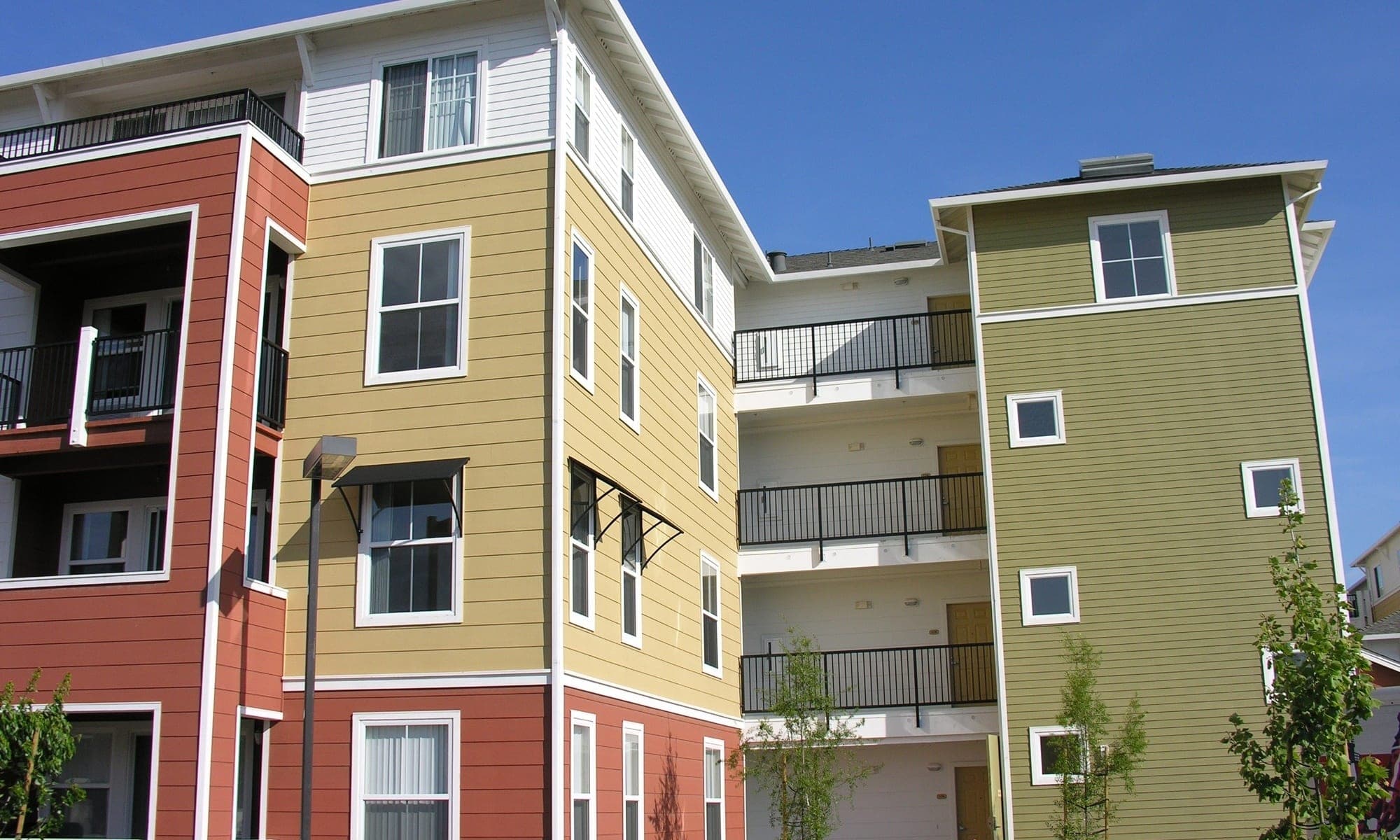
Multi-Unit Residential Painting
Service overview and fit
Multi-unit residential painting enhances property appeal, supports resident retention, and maintains competitive positioning in Dallas's active rental market. From garden-style apartment complexes to high-rise condominiums, professional painting creates attractive living environments that command premium rents and reduce vacancy. Our team specializes in occupied properties, coordinating with property management and residents to minimize disruption while delivering quality results.
Multi-unit residential painting encompasses building exteriors, common areas, amenity spaces, vacant unit interiors, and occupied unit touch-ups. We coordinate complex projects involving multiple buildings, hundreds of units, and ongoing resident occupancy. Our services include everything from comprehensive property-wide repaints to rapid unit turnover painting that minimizes vacancy periods and lost rental income.
Multi-Unit Residential scopes in Dallas usually depend as much on planning as they do on coating selection. Square footage matters, but access, occupancy, equipment protection, and the sequence of other trades are what determine whether the work moves smoothly. For many properties, the first useful conversation is not “what color” but “when can crews safely prep, stage, and close out without interrupting the building’s normal rhythm.”
What the work typically includes
That is especially true for residential work where owners are balancing appearance, durability, and schedule pressure at the same time. When a scope is written around real building conditions instead of assumptions, the job is easier to price accurately, easier to communicate to stakeholders, and easier to finish without the usual last-minute change orders or access surprises.
How projects are staged
Property Assessment & Planning
Walkthrough with property management to assess scope, create phasing plan, and develop resident communication strategy.
Resident Coordination
Advance notice to residents, scheduling around resident availability, and daily communication during work in occupied buildings.
Phased Painting Execution
Systematic painting of buildings, common areas, and units according to plan. Quality control inspections at each phase.
Final Inspection & Handover
Comprehensive walkthrough with property management, punch list completion, and documentation of work performed.
On active commercial properties, that staging usually includes more than just work order sequencing. It often means coordinating entry routes, isolating occupied areas, confirming cure or dry times with the owner, and deciding how crews will handle daily cleanup so the property never feels partially abandoned between shifts.
Planning factors for Dallas properties
Dallas's multi-family market is highly competitive with thousands of apartment communities competing for residents. Properties in Uptown, Knox-Henderson, and new developments throughout the metroplex require fresh, well-maintained appearance to justify premium rents. Our team understands the multi-family business and delivers painting that supports occupancy and rental rate goals. That local context shapes how estimates are built, how crews are staged, and how coating systems are matched to the property rather than copied from a generic spec.
Owners comparing bids for multi-unit residential usually need to evaluate more than the coating line item. Surface condition, access requirements, occupant impact, prep scope, protection standards, and the complexity of closeout all influence the real workload. Treating those items explicitly usually produces a better schedule, fewer surprises in the field, and a finish standard that aligns with how the property is actually used day to day.
Execution, access, and closeout expectations
Once a multi-unit residential scope moves from estimate to production, the quality of the finish depends heavily on how access and protection are handled. Crews usually need a clear answer on staging areas, lift paths, occupied-room turnover, protection of inventory or electronics, and how daily cleanup will be verified before the next shift or tenant cycle begins. Those decisions influence labor hours just as much as the square footage itself, which is why experienced commercial painters spend so much time clarifying logistics before paint ever gets opened.
Closeout matters for the same reason. Owners typically want punch work documented, touch-up material labeled, and any maintenance recommendations handed over in a way that is actually useful to facilities teams. For Dallas properties dealing with heat, dust, tenant turnover, or frequent operational changes, that final handoff often determines whether the project feels complete or simply finished. A stronger scope usually anticipates those expectations instead of treating them as afterthoughts.
Long-term performance is usually part of the same conversation. Recoat timing, wash cycles, traffic patterns, and the simple question of who will be responsible for future maintenance all affect which system makes sense today. That is why many commercial owners compare proposed scopes not only by price, but by how clearly the contractor explains upkeep, documentation, and what conditions could shorten the life of the finish once the building goes back into full use.
Common use cases and owner priorities
Multi-Unit Residential is usually the right fit when the property needs a combination of finish consistency, operational coordination, and predictable closeout. That includes scenarios like apartment complexes preparing for lease season, properties implementing capital improvement plans, condominiums refreshing common areas. In practical terms, owners are often looking for a contractor who can work through prep and application in a way that respects staff, tenants, inventory, or production schedules while still leaving a durable finished surface behind.
Representative Dallas project scenarios
Dallas project example 1
Complete exterior repaint of 18 buildings plus all common areas and amenities over 8-week period Outcome: Enhanced curb appeal led to 96% occupancy and $150/month average rent increase.
Dallas project example 2
20-floor hallway and common area painting in occupied luxury condo tower Outcome: Minimal resident disruption, completed ahead of schedule, board approval for future phases.
Dallas project example 3
Ongoing partnership providing 48-hour unit turnover painting for 500+ unit complex Outcome: Reduced average vacancy from 21 to 12 days, increasing annual revenue by $180,000.
Frequently asked questions
Can you paint our property while residents are living there?
Yes, we specialize in occupied property painting. We coordinate with property management to communicate schedules to residents, work around resident availability, and minimize disruption. Most exterior and common area work can proceed with minimal impact to residents.
How quickly can you turn vacant units?
We offer 24-48 hour unit turnover painting for standard make-ready work. Larger units or extensive repairs may take 3-4 days. We understand the cost of vacancy and prioritize rapid turnaround while maintaining quality standards.
Do you offer ongoing painting partnerships for apartment communities?
Yes, many property management companies partner with us for ongoing unit turns, quarterly touch-ups, and scheduled capital improvements. Ongoing partnerships allow us to learn your property, maintain consistent quality, and respond quickly when needs arise.